Top 10 Flashcard Combos for Holistic Toddler Learning
Did you know that up to 80% of a toddler’s brain develops in the first five years? As a parent, you’re likely eager to give


 By Jaxon Wrenford
If you’re trying to conceive—or just want to understand your body better—knowing the signs of ovulation can be incredibly empowering. Ovulation is the brief window when your body releases an egg and you’re most likely to get pregnant. But what does it feel like? How do you know it’s actually happening?
In this guide, we’ll break down the physical clues your body gives, when ovulation typically occurs, and how to track it with accuracy.
Ovulation is the process of releasing a mature egg from your ovary, usually occurring once per menstrual cycle. This egg is then available for fertilization for 12 to 24 hours.
Knowing what day of your cycle ovulation occurs—and recognizing the signs—can help you time intercourse if you’re trying to conceive (or avoid pregnancy, naturally).
For most women with a 28-day cycle, ovulation happens around day 14, but cycles vary. That’s why understanding your own ovulation symptoms is key.
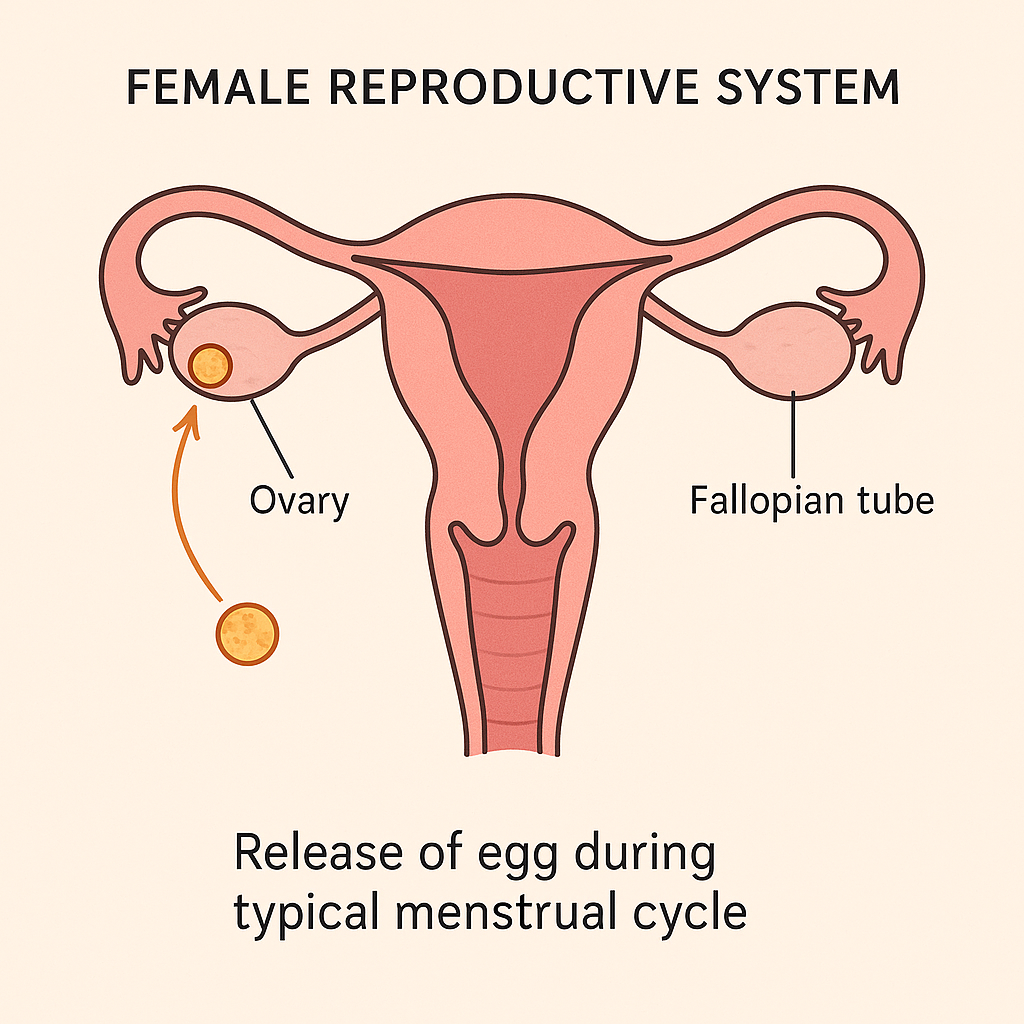
Your body often signals when ovulation is near or happening. These are the most common signs of ovulation to watch for:
You may notice discharge before your menstrual period becomes clear, stretchy, and egg white-like—this indicates high fertility.
Some people experience cramping prior to ovulation, known as mittelschmerz. It may feel like a dull ache on one side of the lower abdomen.
A rise in libido is your body’s natural way of encouraging conception during your fertile window.
Spotting during ovulation or light bleeding during ovulation can happen due to the egg’s release. It’s usually harmless and short-lived.
Some women feel sore or swollen breasts as a response to hormonal shifts around ovulation.
After ovulation, your resting body temperature may slightly increase. Tracking it daily can help pinpoint the shift.
If you’re unsure when ovulation happens in your cycle, tracking is your best tool. Here’s how:
These tools can help you feel more confident about timing—and recognize signs ovulation is over, such as a shift in mucus or a sustained rise in BBT.
Light spotting during ovulation can occur as the egg breaks through the follicle. This is usually pink or light brown and not a cause for concern.
Bleeding during ovulation, while uncommon, can happen and tends to be brief. However, if you experience heavy or persistent bleeding mid-cycle, it’s a good idea to check with your doctor to rule out other causes like fibroids or hormonal imbalances.
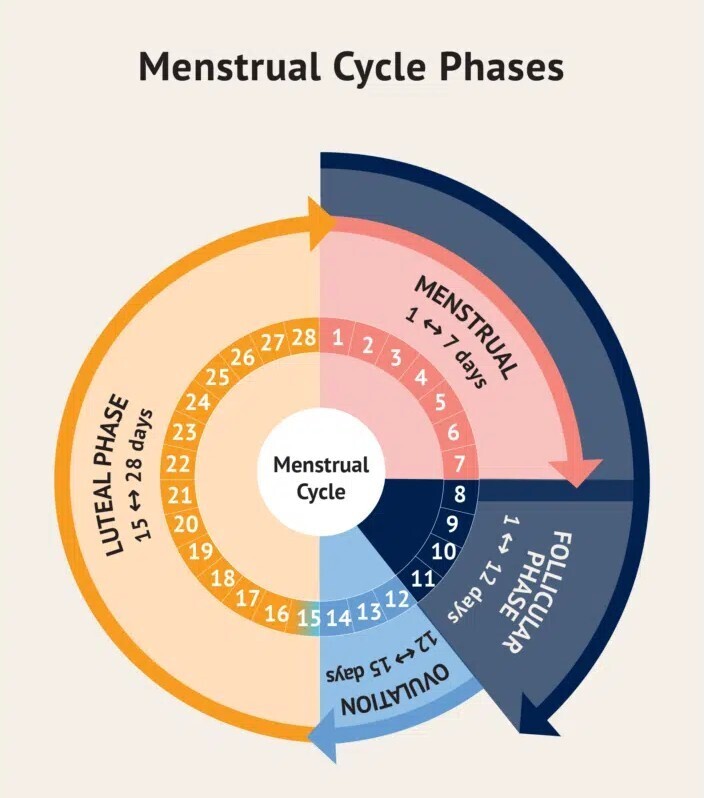
Once ovulation passes, your cervical mucus usually becomes thicker or drier, your basal body temperature rises, and PMS symptoms may appear. These are some of the signs ovulation is over.
If fertilization doesn’t occur, your hormone levels drop and you’ll begin menstruating around 12 to 16 days later. After ovulation, if fertilization doesn’t occur, you’ll begin menstruating in about 12 to 16 days. If you’re eager to test for pregnancy, learn if 15 DPO is too early to test for pregnancy and how to time your test for the most accurate results.
Your body is constantly offering clues—start paying attention.
Even subtle symptoms like cramping or changes in discharge can tell you when you’re most fertile. The more consistent you are with tracking, the more in tune you’ll become with your personal cycle patterns.
Feeling Overwhelmed? Let’s Talk! Join Our Parent Forum and Get Expert Advice & Support!
They include clear cervical mucus, cramping, light spotting, increased libido, and a rise in basal body temperature.
Yes—light spotting can occur when the egg is released. It’s typically harmless.
Signs include thicker or dry cervical mucus, a temperature rise, and a drop in ovulation symptoms.
Usually around day 14 in a 28-day cycle—but it varies. Tracking is key.
Yes. Mild one-sided cramping is a common sign that ovulation is approaching.
Did you know that up to 80% of a toddler’s brain develops in the first five years? As a parent, you’re likely eager to give
Before your baby can speak, they can still communicate—with their hands. Teaching baby signs is a powerful way to reduce frustration, build early language skills,
If you’re trying to conceive—or just want to understand your body better—knowing the signs of ovulation can be incredibly empowering. Ovulation is the brief window

Milestones, Growth, Sleep, Nutrition, and Practical Tips for the Big First Birthday Congratulations—you’ve reached your baby’s first birthday! The 12-month mark is more than just
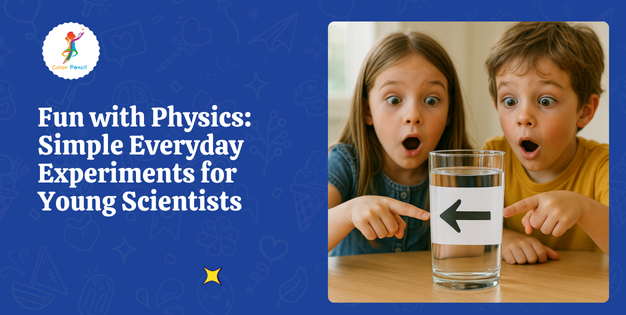
Physics is all around us—from the way a ball bounces to how we hear sound or see light. For young students, the best way to

Mathematics doesn’t have to be scary—especially when students are equipped with smart and efficient strategies from Vedic Maths. Rooted in ancient Indian knowledge systems, Vedic


